From Apprenticeship to Lifelong Learning: Changing Ideas About Skill
Lifelong learning explains how skill-building moved beyond apprenticeships and classrooms, and why adults still learn through work, community, and daily life.
Who counts as a learner once school ends? The story of lifelong learning begins with a broader answer: skill develops not only in classrooms, but also through work, family responsibilities, community activity, and personal pursuits. The shift from apprenticeship to lifelong learning changed both where learning happens and whose experience is recognized as education.
What Did Apprenticeship Mean?
Apprenticeship traditionally tied learning to a specific craft, a skilled practitioner, and a real task. A learner watched, tried parts of the work, received correction, and gradually took on more responsibility. Knowledge lived in practice as much as in explanation.
This arrangement made the learner’s role visible: the apprentice was someone preparing to enter a trade. But access depended on being accepted into a workplace or craft community, and the skills taught were closely connected to that setting. Learning was understood as a passage into a recognized occupation, rather than an ongoing part of everyone’s life.
Apprenticeship has not disappeared. It remains a useful way to learn work that depends on guided practice, feedback, and judgment. What changed is the assumption that this is the only meaningful route from inexperience to skill.
When Did School Become the Main Model?
As formal schooling expanded, education became more closely associated with classrooms, teachers, courses, and credentials. That model can make knowledge easier to organize and teach to groups. It also creates a clear boundary between being a student and being done with education.
The boundary can be misleading. A person may leave school without the skills a new job requires, or discover an interest that was never part of a course. Meanwhile, someone without a formal credential may develop deep expertise through repeated practice, careful observation, and responsibility for real tasks.
School remains important, especially when a subject requires a structured foundation or a recognized qualification. The shift toward lifelong learning did not make classrooms obsolete; it made them one setting among several, rather than the sole measure of whether learning is happening.
Who Counts as a Learner?
In a lifelong-learning view, a learner is not only a child in school or a novice under a mentor. Adults can be learners while changing careers, adapting to new tools, caring for relatives, or pursuing an interest without intending to earn a certificate.
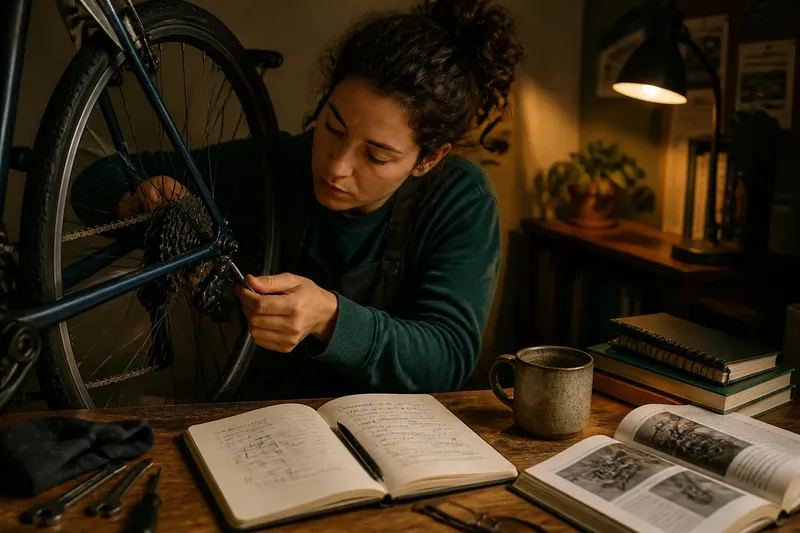
This wider definition recognizes that learning can be informal and still demand effort. A person who learns to interpret a difficult form, repair a bicycle, or speak more clearly in meetings may be building useful knowledge without enrolling in a class. The evidence is in what the person can understand or do, not simply in a student ID or diploma.
Recognition still matters. Employers, schools, and professional bodies may need evidence such as a portfolio, a demonstration, or an accredited course. But these are ways to document learning; they do not define every place where learning can occur.
Where Does Learning Happen Now?
Learning takes place wherever a person can connect information with practice and notice what needs adjustment. That may be a workshop, a library class, a community group, a workplace, or a kitchen table with a manual and a real problem to solve.
Different settings offer different strengths. A course can introduce concepts in a planned order; a mentor can respond to a learner’s specific attempt; independent practice offers room to explore at one’s own pace. Many people move among these options rather than choosing a single route.
Say you want to make clearer presentations at work. You might take a short speaking class to learn how to structure a talk, ask a colleague for feedback after a team meeting, and practice explaining one project to a friend. The observable result to look for is a clearer explanation that your audience can follow, not a particular label for how you learned.
How Can Informal Skills Be Recognized?
Informal learning becomes easier to describe when you identify the task, the choices you made, and what you can now do. A broad claim such as “I’m good with people” is hard to assess. A specific account—such as calming a tense customer conversation by asking clarifying questions—gives others something concrete to understand.
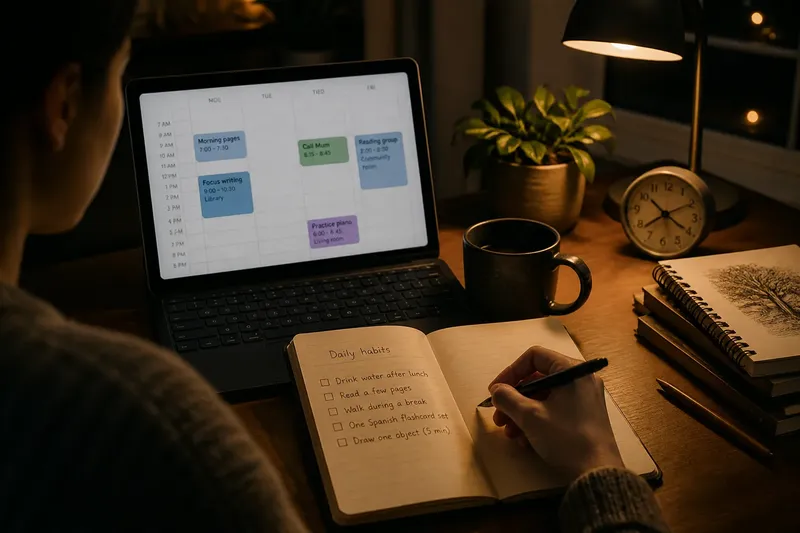
A simple learning record can help. Keep a note with three prompts: What situation did I face? What did I try or learn? What can I handle differently now? Save a relevant document, photograph, or piece of feedback when it helps illustrate the result, while protecting private information.
This record is useful for reflection, a job conversation, or deciding what to learn next. It does not replace a license or credential where one is required. Not every small skill needs a portfolio, either; documenting routine tasks in elaborate detail is effort better spent on meaningful learning.
What Questions Do Learners Ask?
Is lifelong learning the same as taking courses?
No. Courses are one route, alongside coached practice, reading, community participation, and learning through responsibilities. Choose a course when you need a sequence, instruction, or a credential; otherwise, a smaller learning setting may suit the goal.
Can work experience count as learning?
Yes, when experience changes what you understand or can do. To make that learning legible, describe a real responsibility, the judgment it required, and the skill you can now demonstrate.
Why do credentials still matter?
A credential can signal that someone completed a defined program or met a formal requirement. It is especially relevant in fields with licensing rules, but it is not a complete account of every skill a person has developed.
How do I choose a learning setting?
Start with the task and ask what support it needs: explanation, feedback, guided practice, or room to experiment. A class, mentor, workplace assignment, or independent project may each fit a different part of the goal.
What Does Lifelong Learning Change?
Lifelong learning changes the timing and status of education. Instead of treating learning as a phase that ends at graduation, it treats skill-building as something that can recur when work, interests, or responsibilities change. It also invites people to recognize knowledge gained outside institutions while staying clear about when formal instruction or certification is necessary.
The phrase is most useful when it points to a real next move, not a demand to study constantly. Name one task you would like to handle with more understanding, then choose a setting that offers the kind of support that task needs. In that sense, the shift from apprenticeship to lifelong learning is not a rejection of teaching; it is a wider account of who can learn, and where that learning can take root.